


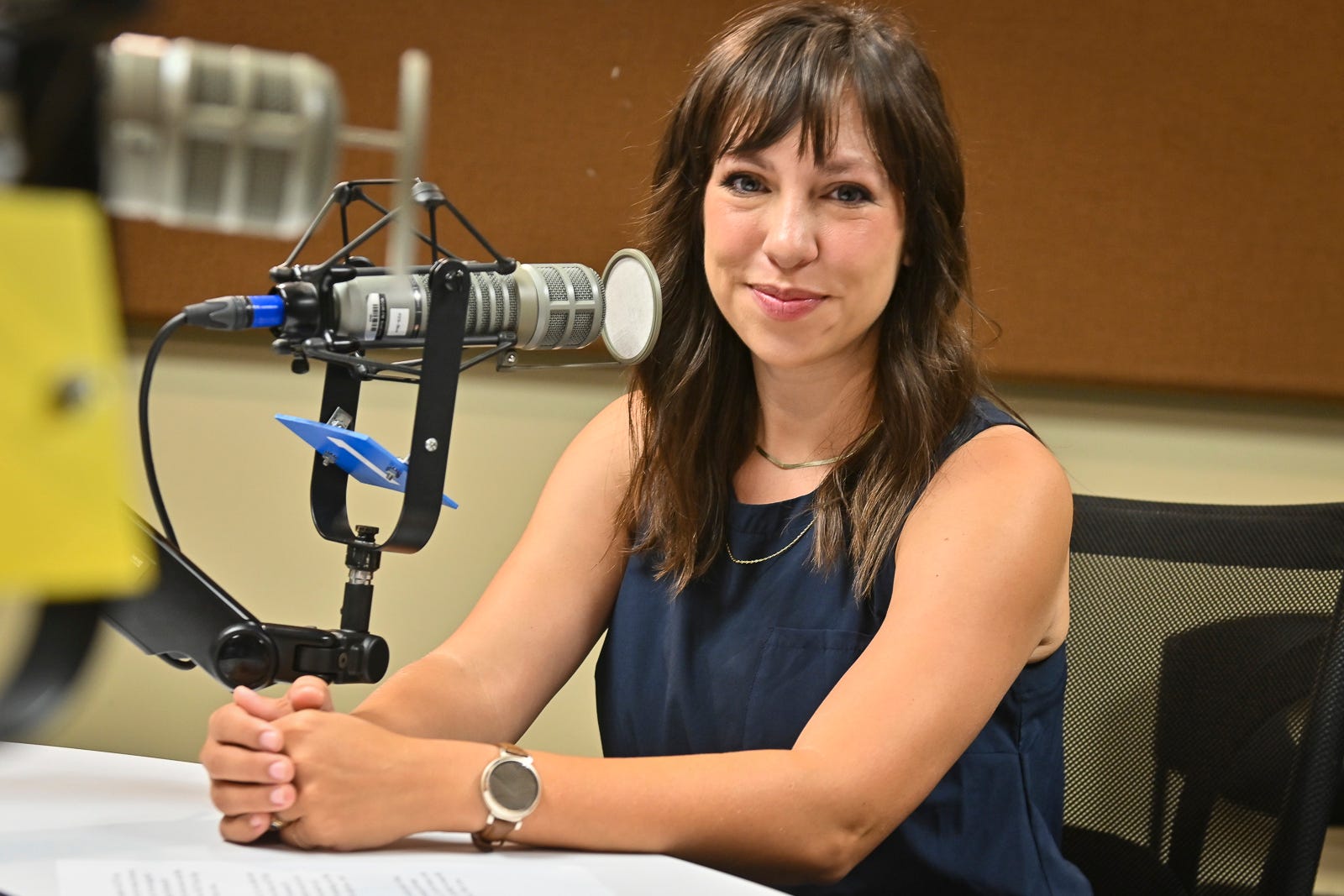
Few leaders embody the arc of modern public media quite like Lisa Rodriguez.
Born in Santiago, Chile, and raised in the Kansas City area, Rodriguez brings a personal understanding of the region’s diversity and its stories. KCUR’s director of journalism has shaped the station’s coverage and culture from almost every chair. She started as an intern, moved into producing for local program Up To Date in 2015, and quickly earned a reputation for sharp reporting at City Hall and as an afternoon newscaster. By 2020, she was leading the newsroom as news director, guiding reporters, editors, producers and interns through daily coverage and the long-term projects that define KCUR’s service to Kansas City.
Her leadership was tested early. Just months into the role, reporter Aviva Okeson-Haberman was killed. Rodriguez managed the public-facing demands of that moment, while supporting a grieving staff. She later led the effort to rename the station’s internship program in Okeson-Haberman’s honor, keeping her legacy central to the newsroom’s commitment to mentoring the next generation of journalists.
Alongside these responsibilities, Rodriguez strengthened collaborations across the region. Her peers took notice. In 2023, the Public Media Journalists Association recognized her as Editor of the Year.
Lisa Rodriguez’s role today is one charged with ensuring KCUR and its affiliates continue delivering trusted coverage that reflects and responds to the communities they serve. This OIGO, she talks about her path, her vision for KCUR and what it means to lead a newsroom at a time when local journalism matters immensely. 👇🏻
Let’s start at the beginning. What led you to this place in public media?
Yeah, we can start all the way back. I was born in Santiago, Chile. My dad’s Chilean, my mom’s an American who used to work for the Foreign Service. We lived in Chile for a bit, then moved to Germany, and eventually landed in Kansas City, which is closer to where my mom grew up.
I went to school in the suburbs here and spent a lot of time going back and forth to Chile. From a pretty young age, like 12 or so, I had two visions for my life: I was either going to be on Broadway, or I was going to be an international correspondent for CNN. So, either journalism or theater. But either way, something big.
I went the journalism route. I attended Southern Methodist University in Dallas and was focused on TV broadcast. I had great internships, both local and national, but by junior or senior year, I was starting to feel like… I don’t know, maybe this isn’t it.
So I spent my last year of college in Buenos Aires, and kind of let go of that whole big dream for a bit. I just lived life, fell in love, was a student. And when I came back to Kansas City, I wasn’t exactly sure what I wanted to do, but I had an open mind.
And then, actually, it was a guy I was dating who turned on NPR for the first time for me. My family didn’t grow up listening to it. And I was like “oh.” This is what I was missing. This kind of storytelling, where you really hear people sharing their own stories, and it’s not about a news anchor delivering it all to you.
I started interning at KCUR in 2014, unpaid. I took any job they had—talk show producer, weekend reporter, whatever. Eventually I became the afternoon newscaster when that position opened up, suddenly and tragically. Then I started covering City Hall, and then the pandemic hit and everything changed. We were dealing with crisis, turnover and also with big questions about who we are and who we serve.
That’s when I decided to apply to be news director. And now I’m the director of journalism. So… it’s been a ride.
What’s exciting you right now, and what’s keeping you up at night?
What’s exciting is that these moments of instability—when everything’s kind of in flux—are the best times to try something new. And public radio doesn’t always do that well. We’re so good at talking about change. We talk about it to death. Then we talk ourselves out of it, and eventually back into it again.
But a time like this gives you cover to just go for it. It gives you permission to break out of those ruts. And you can build a lot of energy and unity when you’re doing something bold together. You have to do it with care for the people in the room.
The terrifying part? There’s a real risk of failure. And the farther I go in leadership, the fewer people I have above me who can guide me. The support is still there, but it’s on me now. I have to lead.
And then, you know—on a personal level, I had a baby two years ago, and I’m pregnant again. So there’s also that voice in the back of my head asking, “Can I really do all of this?” I think I can. But yeah, it’s a lot of new all at once.
Is there something about Kansas City that surprised you, even after living here most of your life?
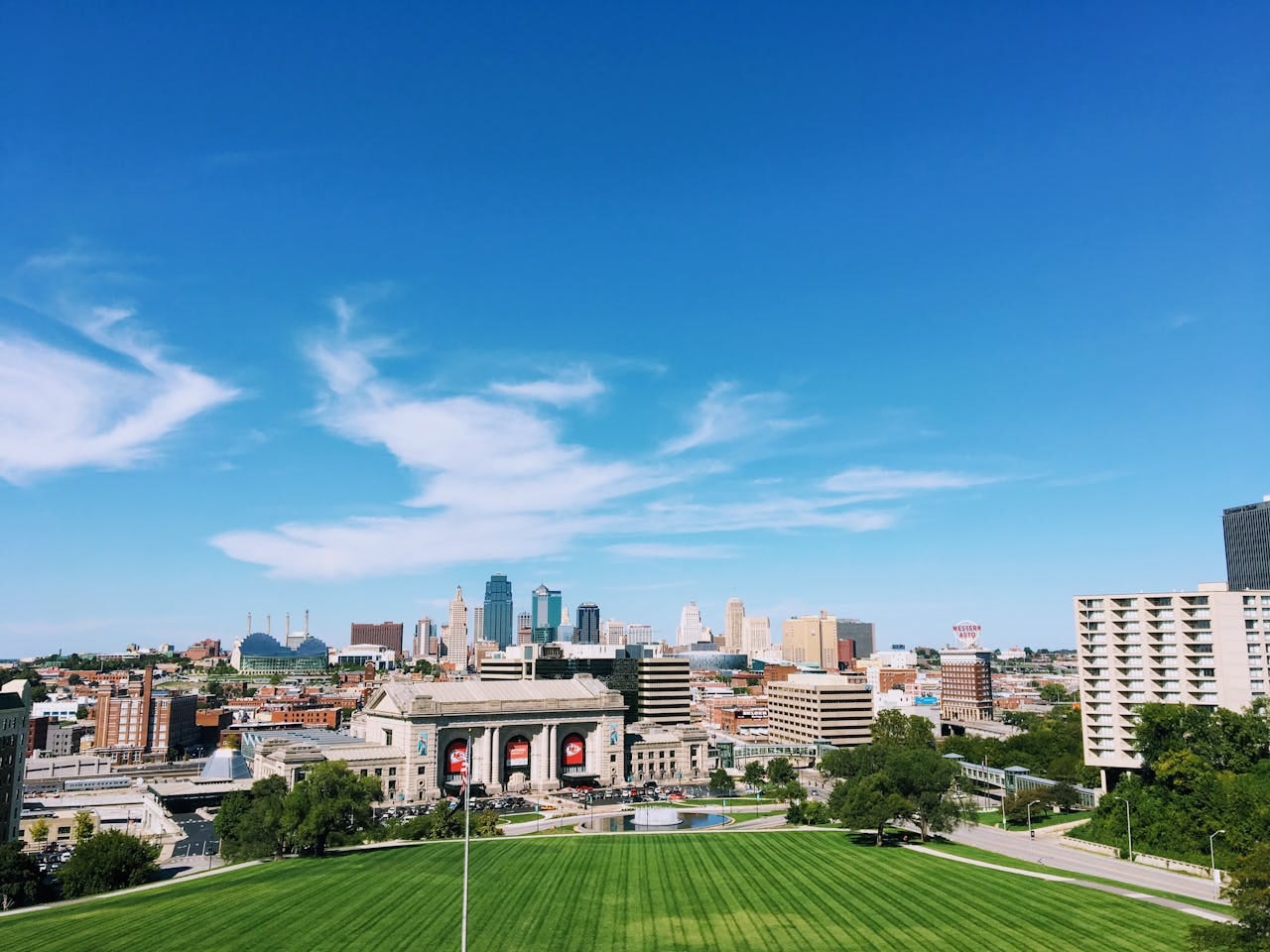
Something really shifted here around 2015, mostly tied to sports, of course. That was when the Royals won the World Series for the first time in 30 years. And since then, Kansas City has just really started to like itself. Like, in a big way. You see people all over wearing Kansas City hats and shirts. There are stores just for KC-branded swag. It’s this intense municipal pride, which is kind of funny because for so long, we were the underdog in sports, in economic development, in national attention.
We still have a long way to go. The city’s still built for cars. Our transit system doesn’t match where we want to be. But there’s more energy now. Our dining scene is amazing. I’ll say it, but I think we have better coffee than Chicago. So, yeah, the pride is sometimes overblown, but it’s also made the city more fun. And yeah, Travis Kelce and Taylor Swift didn’t hurt.
Has that vibe shift changed how you think about local coverage?
Definitely. It’s about finding the right balance. It means holding the city accountable and also celebrating it. There are other outlets that lean hard into cheerleading, and people love that content. But our audience wants both. They love Kansas City, and they want it to be better.
That’s why something like A People’s History of Kansas City works so well. It taps into that curiosity and pride. People want to know these stories they never learned in school. And they’re asking, “Why didn’t anyone ever tell me this before?”
When you’re not sure what the right move is, what helps you decide?
A few things. At work, it’s surrounding myself with people I trust, people who aren’t afraid to disagree with me. I’ll often say, “Okay, here’s what I’m thinking. What do you think?” And then the next day I’ve changed my mind, and we talk through it again.
That process of inviting people in early gets me to a better decision, and also helps build buy-in. People feel like they’re already part of the solution.
Outside of work? Honestly, having a toddler is the most grounding thing in the world.
Say more!
Every morning, I have these very simple tasks I need to complete. Get her dressed, fed, out the door. Then I switch to work mode, which is go-go-go. But by the end of the day, when I come home, I have to shut that off. Because there’s this tiny person who needs me to set up a tea party or find her doll. There’s no room for spiraling about work when you’re hiding under a blanket pretending to be in a tent.
And by the time she’s in bed, what’s really important has sort of risen to the top. Most things? They can wait.
Where does your confidence come from?
I’m my father’s daughter. You should meet my dad. He’s this flashy, charismatic Chilean guy. About 5’4” but somehow always the biggest person in the room. There’s definitely an element of performance in how I move through the world, and I got that from him. Theater helped, too. That stage presence never really goes away.
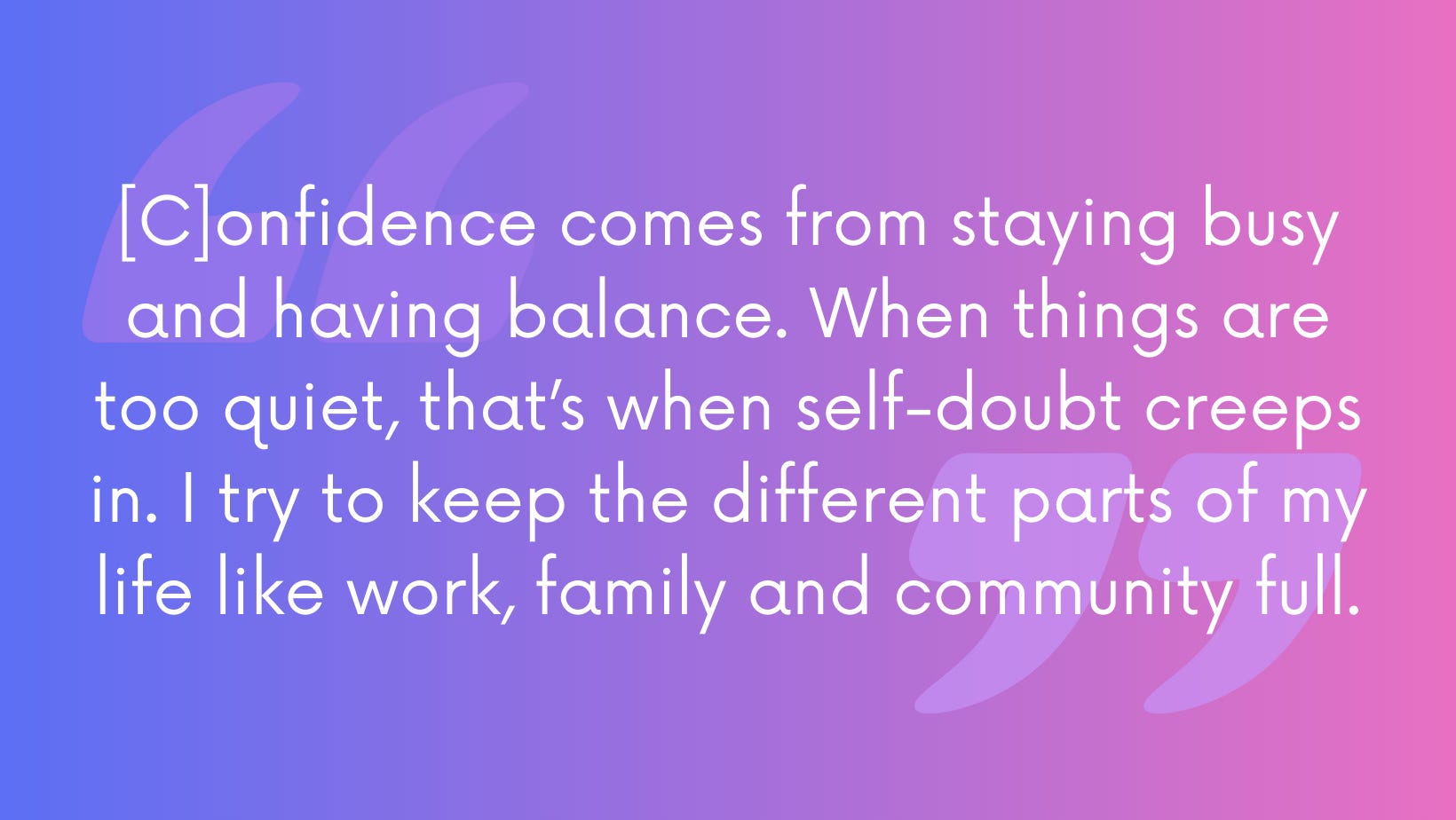
But I also think confidence comes from staying busy and having balance. When things are too quiet, that’s when self-doubt creeps in. I try to keep the different parts of my life like work, family and community full. That helps.
You’ve been at KCUR a bit. What have you learned about yourself?
I’ve learned that building real relationships is huge. The trust I’ve built here comes from knowing people, how they work, what their dog’s name is. That’s helped me move into leadership. I’ve built social capital. It gives me some grace when I try new things, because people know me. They know I care.
And I’ve been lucky. Opportunities have come up at just the right time.
If I had to name one regret or insecurity, it’s that I haven’t worked in other newsrooms. KCUR is where I’ve grown up, both personally and professionally. So sometimes I wonder what lessons I might’ve learned from being in a totally different environment.
That said, this place is why I am where I am. It’s why I’ve been able to take these steps and bring others along with me.
What are you most energized about in the new year?
We’re in the middle of a major shift—splitting from the university, moving buildings, redefining our structure and funding. It’s a chance to build a public media model that’s sustainable and accountable to the community, not tied to a university or federal funding.
It’s a big challenge, but also a huge opportunity. And there’s a clock on it because, you know, I’ve got this baby coming. So I’ve got to get far enough down the road before then. But I’m really hopeful about where we can go. 🟢
Cafecito: stories to discuss ☕
Community profile. Discover Our Coast has a feature on a Latin music DJ programming on community radio station KMUN. 🎼
Smartphone access. Pew Research has data on internet and broadband penetration among Hispanic adults, who have high rates of smartphone reliance.
System collapse. Editor & Publisher has a look on the worries facing PBS. 📺
Journalists and Venezuela. The National Press Club is criticizing the detainment of reporters following the arrest of Nicolas Maduro. 🚨 Venezuela has long had one of the lowest ratings for press freedom.
Turning Point USA coverage. Nieman Lab profiles conservative influencer Savanah Hernandez, whose online reporting sparked a recent ICE action in New York City. 🚓 “The goal of my journalism is to enact positive change,” she says.
New program. Documented has started an initiative to help organizations to better report on immigrant communities. 📝 Nieman Lab has details.

El radar: try this 📡
Explore why Latinx families don’t send kids to kindergarten. LAist has a CalMatters piece on the 32 states that don’t require five-year-olds to go to school, in spite of clear advantages for children’s futures. 🍎 Hispanics are the least likely to enroll kids in kindergarten.
Ask about access for Spanish-dominant drivers. The Spokesman-Review has a thoughtful piece on a Washington State nonprofit that has created a bilingual driving school to help Spanish-speaking speakers attain driver education and greater autonomy. 🚙 Barriers exist especially in smaller communities.
See how immigration enforcement is impacting local childcare. KJZZ covered the effect of ICE actions on the workforce at Arizona nursery schools, preschool programs and other childcare centers. 👶
Pulse check with locals from Venezuela. KCCI and KQED talked with residents with ties to the embattled South American nation. 📰 How they are feeling about the country’s future is central to the discussion.
The next OIGO arrives Jan. 30. I was honored with the Public Media for All award for my contributions to the industry. This occasion offers a chance to look forward. 🧭 I want to explore the hurdles we can’t seem to clear, and ask what it will take to sustain diverse culture in public media. I’d love your thoughts.
🍵 You can buy me a coffee if you’d like to support the newsletter.