



A new Pew Research Center report got me thinking about something most of us in public media do not consider much. Religious radio.
It’s a strange omission considering I obsessively check ratings, and a majority of public broadcasters are beaten, often handily, by faith-based radio in their markets month-to-month. Even when public radio is winning, religious radio in the market is competitive.
Here’s the headline buried inside it: faith-based radio isn’t solely a niche. Christian radio is enjoying massive popularity and 98 percent of Americans live within signal reach of at least one religious station. That is incredible geographic penetration, yet the more revealing number may be the one that isn’t fully counted.
The Pew report flags “Spanish Christian” as a distinct format category while simultaneously acknowledging the limits of its own analysis of Spanish-language religious content. Between those lines, that means there is a parallel media ecosystem serving Hispanic communities that is simultaneously influential and invisible to the institutions that should be paying closest attention.
For you in public media, especially those of us focused on Latino audience engagement, how faith-based radio operates might offer strategic lessons. What does this actually mean for how we think about reach and community connection?
Meeting emotional needs
Something that stands out from the research is that the dominant reasons people tune in are not political, informational or musical. Instead, they are personal.
Listeners say religious programming is relaxing (51 percent), spiritually uplifting (62 percent) and a source of life guidance (39 percent). Such a combination is powerful. Listening, in essence, blends companionship, identity and utility. It is also sometimes where public media struggles to compete, particularly with audiences who may not see themselves reflected in traditional news formats.
For Latine audiences, where faith, family and community can be intertwined, this kind of programming fills a role. And though it may not be public media’s lane, we might ask a provocative question: where are we offering guidance, connection and relevance, not just the music, news and information that we assume fills that need?
A focus on format
Faith-based broadcasting is more than Christian music. While 37 percent of stations are music-focused, 35 percent are talk-focused and another 28 percent mix both.
What’s intriguing, though, with talk formats is that there is a consistent throughline of high-frequency, personality-driven content. Many of these stations do not make big newsroom investments. Talk programming often mirrors classic call-in radio, with hosts offering commentary, taking calls and building ongoing relationships with listeners.
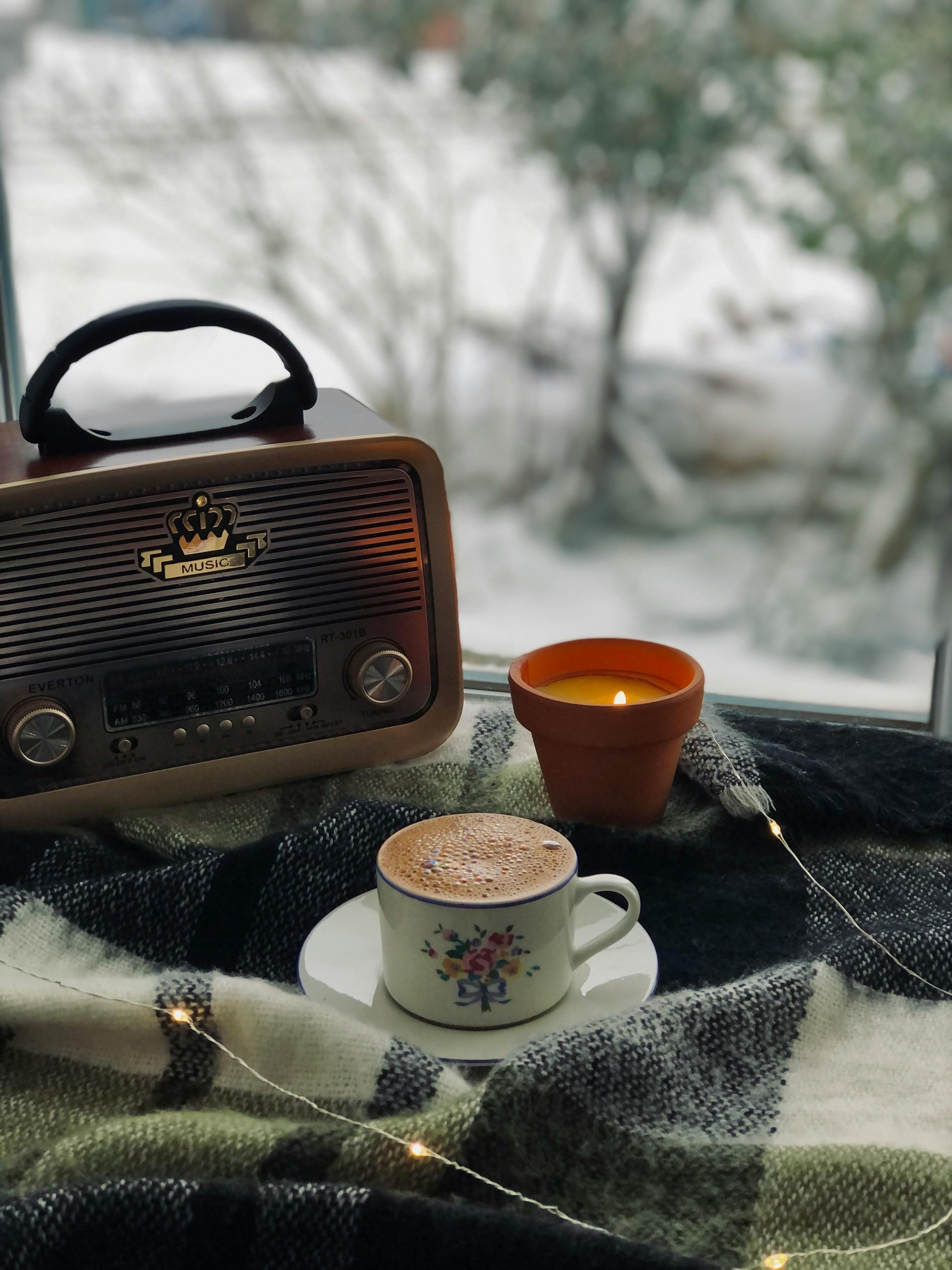
We do love our talk shows too in public media. What’s different is that religious radio leans into personalities that feel familiar, recurring and responsive.
For Hispanic audiences, this is especially relevant. Spanish-language radio has long thrived on personality and trust. Religious stations are extending that tradition into faith-based content, often with a similar tone and cadence.
Politics is present, but not primary
Religious radio does engage with politics, sometimes extensively. Here is the big nuance: only 14 percent of listeners say staying informed about current events is a major reason they tune in.
Thus politics is layered onto a foundation of shared values. This is an important lesson. Public media often leads with news. Religious radio often leads with relationship.
For Hispanic audiences, particularly those underserved or skeptical of mainstream media, that sequencing can make all the difference.
Where this leaves public media
For public media organizations trying to grow with Hispanic audiences, the lesson is not to replicate religious programming. It is to understand why it works.
Religious radio is not just competing for ears. It is competing for trust. It does well by showing up consistently on an emotional level, and blending personal and informational content.
A few possible avenues to explore could be discussing how public media prioritizes relationship over transaction, and how we are investing in culturally fluent voices.
Audiences we often describe as hard to reach for public media are already being reached. The challenge is paying close enough attention to how. 🟢

Cafecito: stories to discuss ☕
Joining forces. An Indiana Spanish-language station is now sharing space with a media organization. 🏢 The South Bend Tribune has the scoop.
ICE disinformation. New research indicates journalism can play an important fact-finding role in the social media age. 📝 Among the examples: a newspaper dispelling rumors and misinformation about ICE in a community.
Diversity viewpoints changing. Pew Research Center’s latest surveys on the value of diversity are worth your review. 📍 Most Americans of either political party say diversity is good for the nation, but fewer among both groups say diversity is very good for America.
Speech and violence. Of note as immigration protests rise, Gen-Z are ten times more likely to support violence to stop speech, a finding that cuts across political affiliation. 👀 Analysis from FIRE.
Arriba, abajo. PBS Public Editor Ricardo Sandoval-Palos has been announced for the NAHJ Hall of Fame. 🔥 Also, Frontline’s Erin Texeira is among 20 innovators selected for this year’s Poynter Leadership Academy.
El radar: try this 📡
Explore Latinx Pride celebrations. June is Pride Month, and KGNU is tracking how the event will foster Latine visibility. 🏳️🌈
And keep seeking local institutions highlighting Latino arts. Texas Public Radio turns the spotlight on a San Antonio art gallery, whose latest exhibit offers humor related to the Hispanic experience. 🖼️ Artists say they aspire to break down barriers.
Investigate hate crimes. Most people probably assume bias based crimes are the province of shadowy figures, but it’s more common that we might realize. 😲 Axios notes how hate crimes against Latinos rose in 2025.
Highlight candidate forums focused on Latinx issues. KALW shares news on a gubernatorial panel related to the community. ✅ Stations may be seeing more of their own regional sessions, which are always of interest to audiences.
Put attention on crime hitting Latine business. WTHR just covered Indianapolis Hispanic businesses that had been targeted for burglary. ☀️ Surely happening in many places, sadly.
The next OIGO arrives May 8. New Nielsen research is on deck next time.
Catch me in person next week in San Francisco with a tremendous panel to discuss the opportunities and challenges facing journalism organizations in the age of AI. Register here.
If one-shot is more your style 🥤 you can buy me a coffee to support the newsletter.