


If you work anywhere near public media, you felt it: 2025 was a year when Latino communities and diversity issues weren’t just part of the national conversation, they shaped it.
Across newsrooms, podcasts and local stations, journalists followed stories of fear, resilience, identity and belonging. It was not easy, but was important as it was valued. What emerged was a vivid portrait of communities navigating extraordinary pressure while still insisting on visibility, values and voice.
Immigration and civil rights on edge
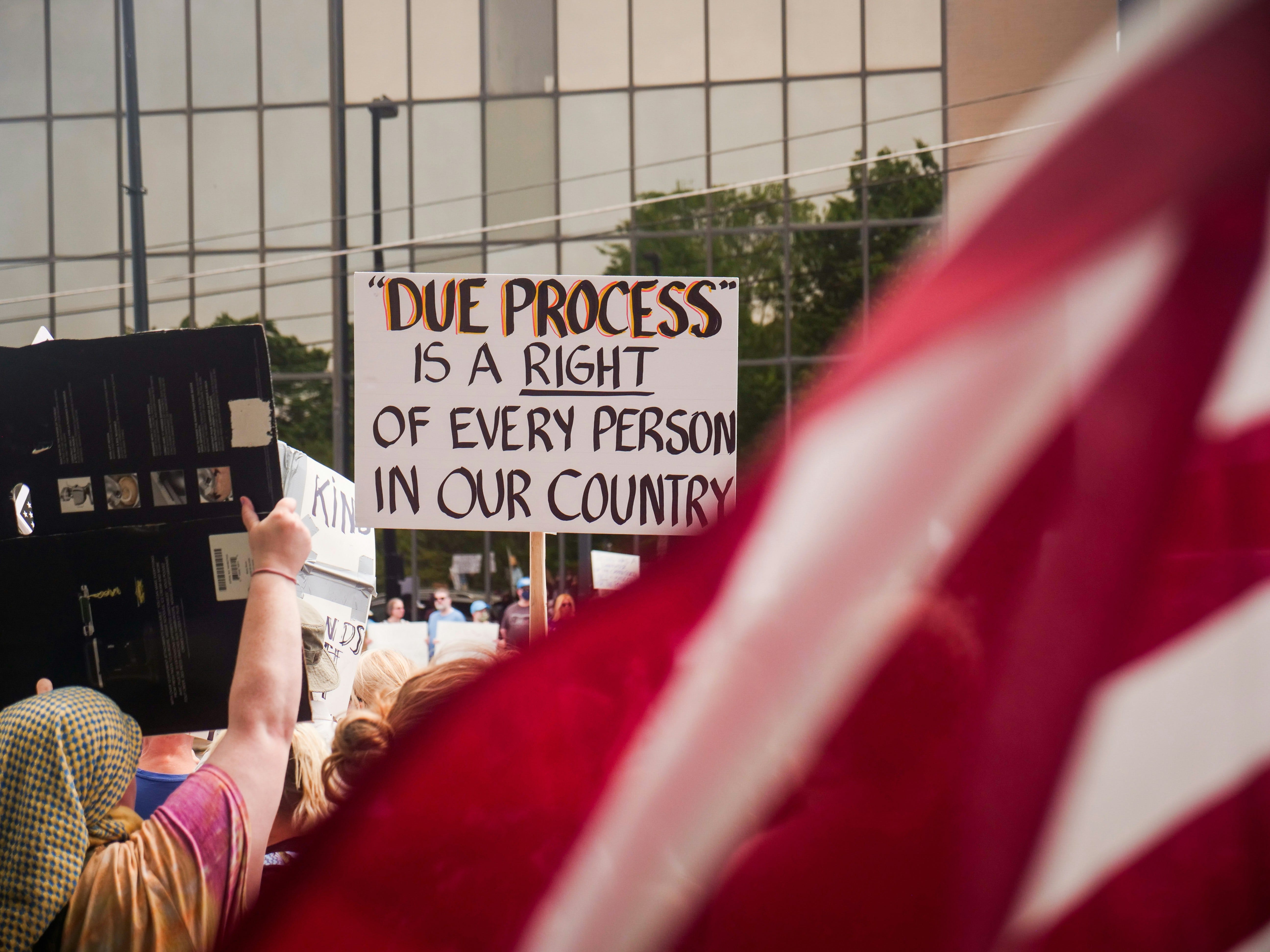
Much of the year’s reporting circled back to one defining emotion for many Latinos: uncertainty. With stepped-up immigration enforcement during President Trump’s second term, countless families were living on edge.
Roughly half of Latino Americans said they feared deportation for themselves or loved ones. Reporters documented increased ICE activity in neighborhoods, school drop-offs and workplaces; and the day-to-day anxiety that followed.
Public media tied these fears to the wider fight over Constitutional rights and to sweeping proposals like the rollback of birthright citizenship. Stations have done a great job at bringing policy, history and lived experience into the same frame.
Economic and community strain
The economy was another throughline. Inflation, housing shortages, childcare costs and unstable jobs hit Latino communities with particular force.
Public radio journalists captured families squeezed by rising expenses and the long tail of the pandemic. The most compelling pieces zoomed in on how economic strain shaped every corner of life, from health decisions to school choices to small-business stability.
These stories underscored a truth stations heard again and again: many Latino audiences are navigating crisis inside a crisis.
Visibility and the media gap
Even cultural moments weren’t immune.
In several cities, Hispanic Heritage Month celebrations were canceled or pared down because communities didn’t feel safe gathering publicly. At the same time, public media and the media world looked inward.
The industry revisited its longstanding Latino content crisis, where representation still trails far behind demographics. Despite Latinos making up nearly 20 percent of the country, public media and national entertainment platforms continue to offer only a sliver of Latino voices, perspectives and leadership roles. The movement to change it continues, including important launches of broadcast media, but the disconnect was impossible to ignore in 2025.
Post-DEI: a turning point with consequences
This was also the year DEI retreated, in public media and elsewhere.
Organizations dismantled investments and commitments with startling speed, and similar pressures reached public media internally. I try to be optimistic about public media, but am often told otherwise.
Externally, public media covered how new compliance rules around hiring and language reshaped newsroom culture and editorial decisions. Journalists and community partners described an environment where important stories risked going untold, and where inclusion efforts now carried new political and legal scrutiny.
Lastly, the loss of the Corporation for Public Broadcasting and its service to communities will be felt for generations.
Community, narratives and quiet power
Still, 2025 wasn’t only about loss or risk. Public media highlighted innovative, community-driven responses in education and language.
Latino-led work stepped into the vacuum left by shifting conversations, offering new solutions and new civic imagination. And lastly, efforts to connect stations to ideas offer newsrooms fresh ways to listen, collaborate and build trust.
Bye 2025
Taken together, 2025’s coverage painted a difficult but honest picture: Latino communities are facing profound challenges, but we’re also pushing forward with creativity and determination.
Public media saw not just the pressure, but the potential.
And if this year taught anything, it’s that serving Latino audiences well is fundamental to the future of public media itself. 🟢

Cafecito: stories to discuss ☕
Voting education in Spanish. We Are Más received a Shorty Impact Award for its multilingual voter education campaign for Broward County. ✌️
WBEZ shakeup. Executive Editor Gilbert Bailon has been laid off from the Chicago public broadcaster amid a restructure. 💔 Journal-isms offers details on changes at the organization.
Peer support. Latinx staff often point out the need for peer support. 😺 Open News surfaced a great study by PEN America on a variety of models, common themes for successful support and ways you could apply a system for yourself or your organization.
Kerger speaks. PBS CEO Paula Kerger joined Semafor’s video podcast to talk about the challenges facing public media and our future. 🎙️
Culture nod. Public Media for All has extended the nominations deadline for its annual award. 🏆

El radar: try this 📡
Discuss the effect of immigration enforcement on church attendance. Blue Ridge Public Radio has a thoughtful story on how faith leaders are responding to fear among parishioners, and how they’re advocating for safety to local decisionmakers. 🙏
Related: WUNC explores the matter of immigration enforcement too.
Ask about teacher hiring. KCUR offered a report on how area schools are hiring Latino/a teachers as they try to engage students and connect with families. 👩🏫 The results are encouraging so far.
Cover stomach cancer and Hispanics. Texas Public Radio has a piece on a health subject you don’t hear much about. 🩺 Latinos are among the ethnic groups with a higher incidence of this form of cancer than others.
Make Latine information needs a story. American Press Institute highlights the efforts of Planeta Venus, a Kansas nonprofit, that includes residents sharing how the community gets its news. 🧑💻 More than a focus group, these videos are content themselves.
Related: Journalism + Design Lab published a community news framework that outlines how people contribute to local information ecosystems. 🪧 Instead of reporting, they’re creating connections.

The next OIGO arrives Dec. 19. The final OIGO of 2025 will track the stories public media will likely be following next year. I’d love your thoughts about that.
If you are able, you are encouraged to support your local public media organization. If you’re at a station, our programming team has developed quite a monthlong campaign in coordination with other departments; I’d love to share our work to inspire you.
You can buy me a coffee if you’d like to support the newsletter. 💵